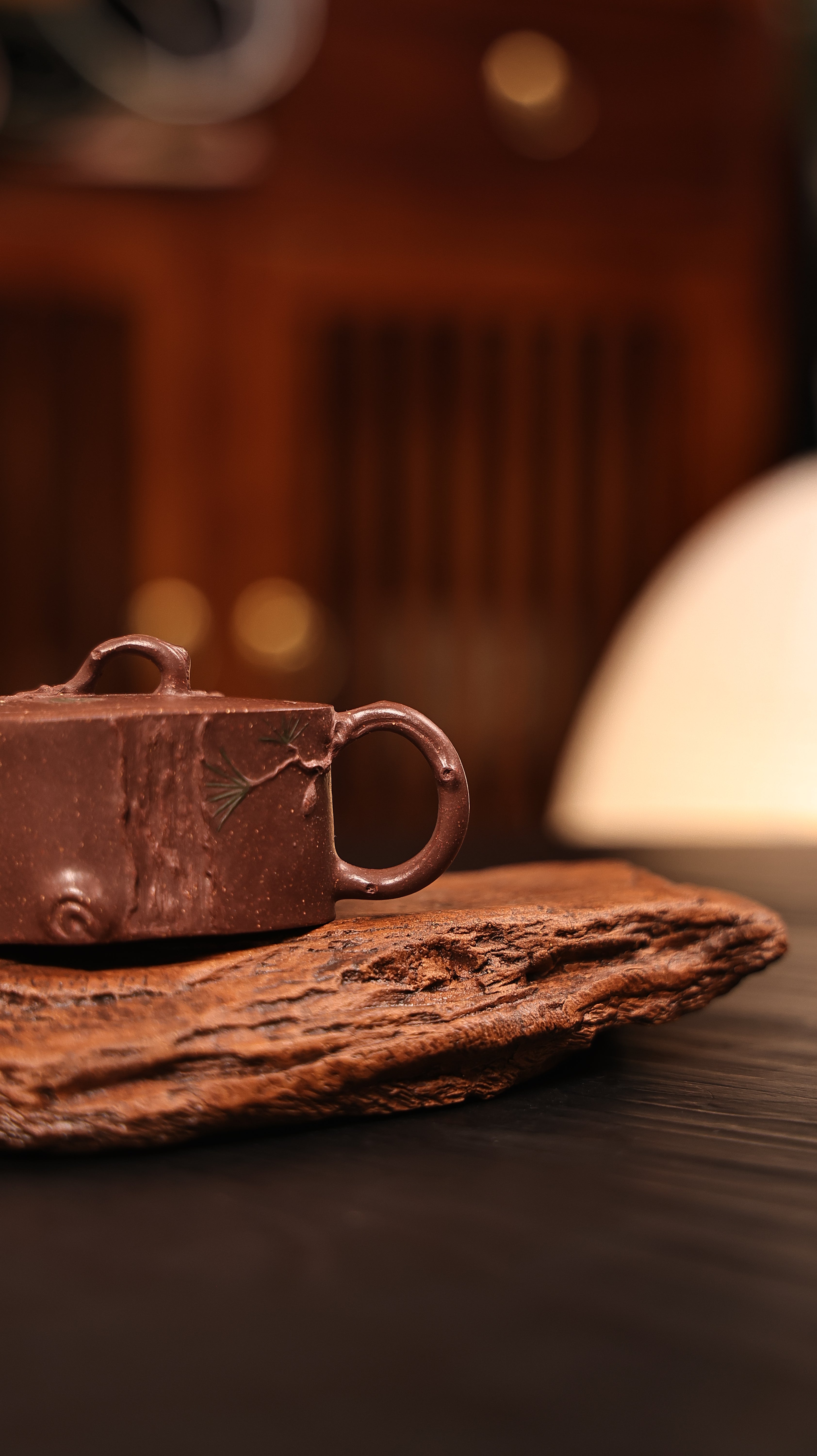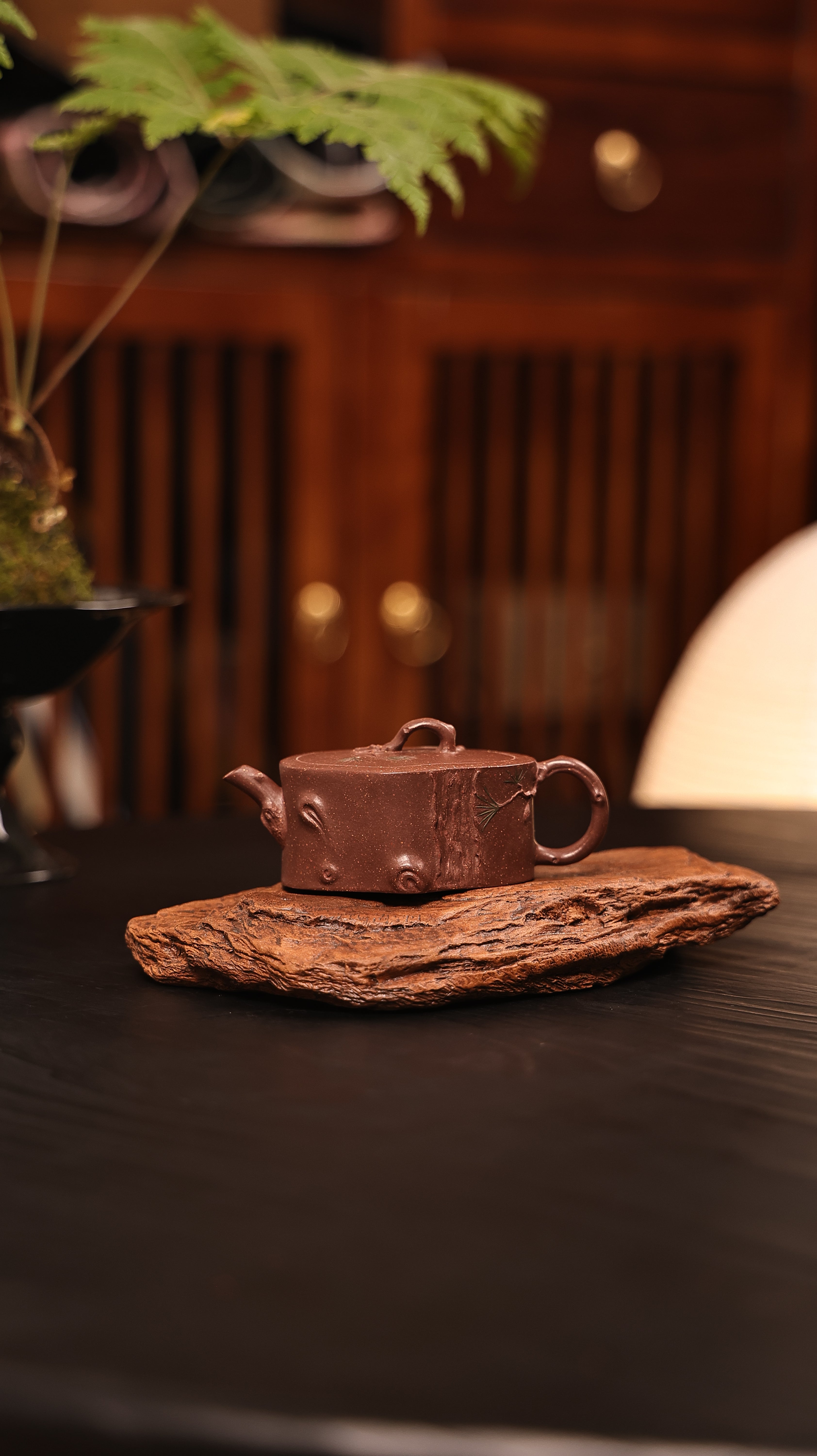
Millennia of devotees have craved the exceptional fascination of Yixing Zisha earthenware. Founded in the scenic town of Yixing, the homeland, these amphorae are created from a scarce and dug purple clay famous for its remarkable thermal qualities and ability to refine the savor of liquids. More than their useful value, Zisha teapots manifest a solid heritage legacy, rendering them markedly coveted and a real gem for any committed teapot collector.
Investigating Yixing Earthenware
Famous teapots illustrate a unusual blend of history and experienced craftsmanship. Hailing in Yixing, Jiangsu Region of China, their narrative commences in the Ming Dynasty, although traces suggest earlier manifestations. The exceptional maroon clay, called Zisha, found solely in the Yixing region, is the principal component, contributing to the pots' outstanding heat retention and the manner they shape the aroma of tea. Continuums of potters have enhanced techniques—often passed down through families—including molding the clay, applying intricate embellishments, and firing the pots at accurate temperatures.- In the past, Yixing teapots were often trimmed with simple designs.
- Over time, more ornate carvings and decorative motifs became popular.
- The oven firing itself is a pivotal element, requiring years of practice.
Obtaining Zisha Teapots: Critical Points
Commencing a journey to accumulate Zisha teapots can be pleasurable, but it’s imperative to grasp what to inspect. Authenticity is paramount; focus on the terrain’s natural hue, a understated reddish-brown is characteristic. Examine the consistency; genuine Zisha has a unique tactile sensation, often characterized as slightly unequal. The shape should be appealing and consistent with conventional styles, while signatures, if present, require diligent examination for accuracy. Don’t hesitate to consult with expert connoisseurs or dependable references – their perception is immeasurable.
Renowned Vessels: Examining the Culture of famous Ceramics
Ages have seen Yixing Zisha Clay teapots possess a notable role in Chinese arts. These artfully designed pots, sourced uniquely from the district of Yixing, are well-known for their characteristic complexion, texture, and their ability to enhance the flavor of infusions. Countless collectors chase antique Yixing teapots, treasuring them considerably not only for their aesthetic grace, but also for the chronicle they signify.
Yixing Zisha Teapots: An Top Kinds and Their Features
Zisha Clay teapots, produced in the regional locale of Yixing, this nation, are renowned for their unique clay and outstanding brewing capabilities. Amidst the different Zisha types, selected types that are highly esteemed include Zhuni. Binzhou, known for its dark purple shade and smooth texture, delivers a tempered flavor. Duan Ni category, recognizable by its mahogany color and moderately grainy feel, is considered to enhance tea’s body. Lastly, Zhuni class boasts an unique carmine tone and can give a sweet nuance. Each breed yields a special experience, rendering them highly desirable between infusion enthusiasts.
Brewing Perfection Your Ceramic Pitcher
To unleash the wonder of your Yixing pitcher, mastering the correct method is fundamental. These clay teapots, celebrated for their absorbency, will eventually retain the character of the tea you create within them. Begin by scrubbing the kettle thoroughly with scalding water. Then, use only superior loose leaf tea, as lower quality options can weaken the vessel’s delicate nuance. Always permit the leaves to expand completely, and remember that with each preparation, your Yixing kettle will become continuously special.
Securing Your Priceless Zisha Treasure
Proper treatment for your Zisha teapot is important to preserving its quality and worth. Zisha clay, acclaimed Chinese Teapot for its unique coloration and makeup, requires delicate handling. Never use stringent soaps, as these can ruin the surface. After every brewing, rinse the jar with mild water and allow it to dehumidify completely.
- Refrain from soaking the pitcher for extended periods.
- Intermittently use a soft wiping cloth to buff the exterior.
- Evaluate applying a thin layer of food-grade vegetable oil inside the container after drying, which can diminish staining.
Overview of Yixing Teapots
Yixing vessels, originating from the Yixing zone in Jiangsu Province, of China, are celebrated for their distinctive traits. Fabricated from the unique purple earth known as Zisha, these kettles are prized by potion enthusiasts worldwide. This summary will plainly explain the principles – covering forms of Zisha composite, popular shapes, and vital care recommendations. Understanding the foundation of Yixing jars can enhance your appreciation for this esteemed example of Far Eastern folklore.
Trade of Chinese Clay Pots: Spotlighting Zisha native to the Yixing territory
Zisha clay from Yixing City represents the zenith of Mandarin container design, undergoing a exceptional composition of genuine beauty and functional artistry. These extraordinary pieces are recognized for their deep hues, often covering rich purples and auburn hues to muted greys and soft beiges. The distinctive mineral composition of the indigenous Zisha material imparts a defining texture and yields a desirable aroma that boosts the entire infusion experience, causing them extremely desired collectibles and vital components of any serious tea.